Legal Basics: What You Need to Know About Self-Defense
What does the law say about self-defense? Everything important about self-defense, proportionality, and the use of defense tools.
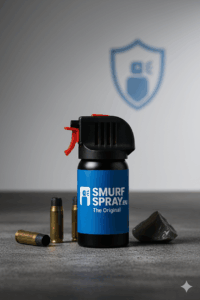
The right to self-defense in Germany is anchored in § 32 StGB (self-defense). But what does this mean concretely? And what must you consider when defending yourself with tools like SmurfSpray?
Self-Defense Law in Germany
§ 32 StGB states: “Anyone who commits an act required by self-defense does not act unlawfully.”
Requirements for self-defense:
- Current unlawful attack
- Defense necessary to avert attack
- Proportionality of means
What is a Current Attack?
An attack is current if it is imminent, currently taking place, or still ongoing. An already ended attack no longer justifies self-defense – then only emergency assistance or state prosecution applies.
Necessity and Proportionality
The defense must be necessary to avert the attack. You may choose the mildest available means that safely wards off the attack.
Example: In case of a physical attack, you may defend yourself with SmurfSpray if:
- The attack is currently taking place or imminent
- Escape is not a safe option
- The spray appears suitable for defense
Special Regulations for Defense Tools
SmurfSpray:
- Legal under EU law
- May be used for self-defense
- No age limit for possession
- No reporting requirement
Important: After use:
- Call police (110/112)
- Describe the situation
- File a report if necessary
- Name witnesses
Limits of Self-Defense
Excessive self-defense: If you exceed the limits of self-defense out of confusion, fear, or shock, this can have a mitigating or even exonerating effect (§ 33 StGB).
Not allowed:
- Pursuing or chasing the attacker
- Revenge after the attack has ended
- Disproportionate force
Specifics in Other EU Countries
When traveling in other EU countries, inform yourself about the local regulations on self-defense and permitted defense tools.
Disclaimer: This article is for information only. For legal questions, please consult a lawyer.